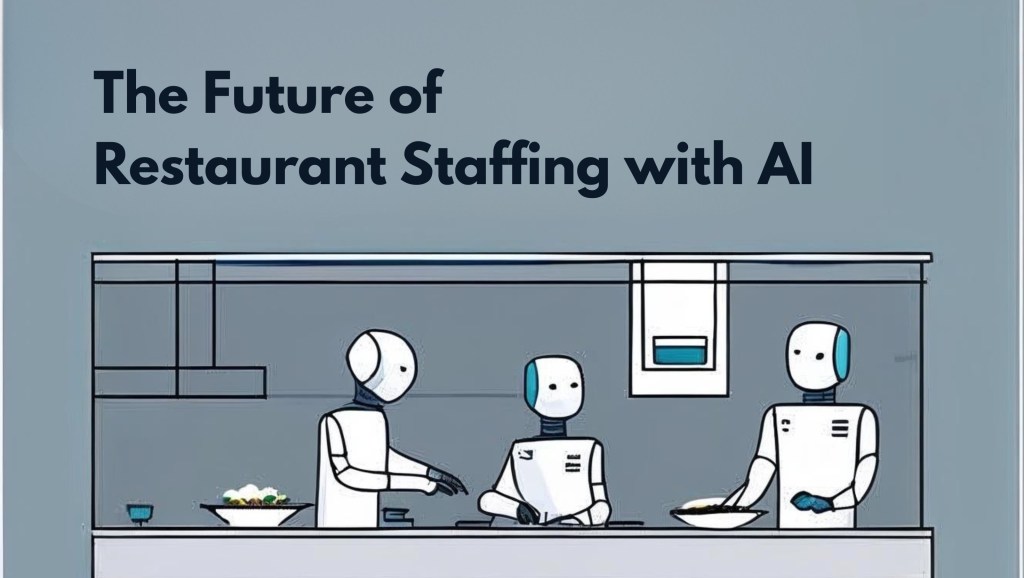
Running a restaurant is not just about great food and service. It also involves managing a dynamic team in a fast-paced environment. Staffing challenges such as last-minute absences, high employee turnover, and fluctuating customer demand can make scheduling a constant struggle. Traditional methods often fall short, leading to inefficiencies and employee dissatisfaction.
AI in restaurant operations is rapidly emerging as a solution to complex labor and scheduling challenges. These intelligent systems can analyze data and make real-time decisions, helping managers assign the right staff at the right time.
Artificial intelligence is not just a buzzword anymore. It is a practical tool that is transforming how restaurants operate. From optimizing shift patterns to reducing labor costs, AI is becoming an essential part of modern labor management.
The Challenges of Traditional Staff Scheduling
Staff scheduling in restaurants is rarely straightforward. Managers often rely on spreadsheets, whiteboards, or manual templates to assign shifts. These methods are time-consuming and prone to human error. A small mistake can lead to understaffed shifts, missed breaks, or scheduling conflicts.
Another major issue is the inability to predict customer demand accurately. This leads to either overstaffing during slow periods or being short-handed during busy hours. Both situations affect the restaurant’s performance and customer satisfaction.
Inconsistent or unfair shift distribution also creates frustration among employees. When team members feel their preferences are ignored or their workloads are unequal, morale drops and turnover rises.
Traditional scheduling does not offer flexibility or real-time adaptability. If an employee calls out sick or if a sudden rush occurs, managers scramble to adjust. These reactive decisions increase stress and reduce overall efficiency.
What AI Brings to the Table
Artificial intelligence offers a smarter way to manage restaurant staffing. Instead of guessing future needs, AI uses data to make accurate predictions. It analyzes past sales, weather patterns, local events, and even holidays to forecast customer traffic.
With this information, AI systems can create optimal shift schedules. They match staffing levels with expected demand, reducing both overstaffing and understaffing. This not only saves money but also improves customer service.
AI also responds to changes in real time. If an employee becomes unavailable or customer volume spikes, the system can suggest adjustments instantly. This helps managers stay ahead rather than react under pressure.
Automation does not mean a loss of control. Managers can still approve and adjust schedules. However, they do so with the support of data-driven insights, not guesswork. The result is more consistent, reliable, and efficient labor planning.
Key Benefits of AI in Labor Management
Integrating AI into restaurant labor management offers several advantages. These systems do more than create schedules. They enhance how managers plan, communicate, and adapt. Here are some of the most impactful benefits:
Increased Efficiency
AI reduces the time managers spend creating schedules. What once took hours can now take minutes. This frees up time to focus on service, training, or customer experience.
Lower Labor Costs
By aligning staff levels with expected demand, AI minimizes unnecessary labor. It also helps manage overtime by alerting managers before thresholds are crossed.
Improved Employee Satisfaction
AI-driven scheduling tools use employee preferences and availability. This leads to fairer shift distribution. Happier employees are more likely to stay, reducing turnover.
Legal Compliance
AI systems help managers follow labor laws. They account for break times, maximum hours, and local regulations. This reduces the risk of violations and penalties.
Real-Time Flexibility
AI tools allow for quick updates when things change. Managers can approve shift swaps, fill gaps, or adjust coverage without disrupting the entire schedule.
These restaurant technology trends are becoming more common because they solve real-world problems. Restaurants that adopt AI-powered tools often see better staff performance, smoother operations, and a stronger bottom line.
Real-World Use Cases and Success Stories
Many restaurants have already started using AI tools to improve how they manage staff. The results are both measurable and impressive.
One fast-casual restaurant chain adopted an AI-based scheduling system across all its locations. Within the first three months, they reported a noticeable drop in labor costs. The system helped them match staffing levels to actual demand, reducing idle time during slow hours and preventing chaos during peak times.
Another independent restaurant used AI to improve employee satisfaction. Staff members could set their availability and request shifts through a mobile app. As a result, the restaurant saw a drop in last-minute call-outs and a rise in overall team morale.
These success stories show that AI is not just for large franchises. Even small restaurants can benefit from smarter, more reliable scheduling tools. When implemented well, these systems help both managers and employees stay informed, prepared, and satisfied with their work.
Choosing the Right AI Tool for Your Restaurant
Not all AI scheduling tools are the same. Choosing the right one depends on your restaurant’s size, staffing needs, and daily operations. A good tool should be easy to use and deliver accurate results.
Look for systems that offer predictive analytics. These features help forecast customer traffic based on historical data and current trends. They allow you to plan ahead with confidence.
Mobile access is also important. Staff should be able to view their schedules, request changes, or swap shifts directly from their phones. This improves communication and reduces confusion.
Make sure the tool integrates with your existing systems. It should work well with your point-of-sale and payroll software. This makes it easier to track hours, manage wages, and analyze performance.
Support and customization matter too. A quality provider offers training, troubleshooting, and flexible features. This ensures the tool fits your restaurant’s unique needs rather than forcing you to change how you work.
Conclusion and Takeaway
AI is changing how restaurants approach staff scheduling and labor management. It replaces guesswork with data, making scheduling faster, smarter, and more accurate.
By using AI, restaurant managers can reduce costs, improve team satisfaction, and adapt quickly to changes. These tools help build stronger teams and provide a better experience for both staff and guests.
For any restaurant looking to stay competitive, adopting AI-driven scheduling is not just a smart move. It is becoming a necessary step toward long-term success.
Now is the time to explore these tools. Investing in technology that supports your team will lead to more stable operations and better results across the board.
 Restaurant AI Tech
Leave a comment