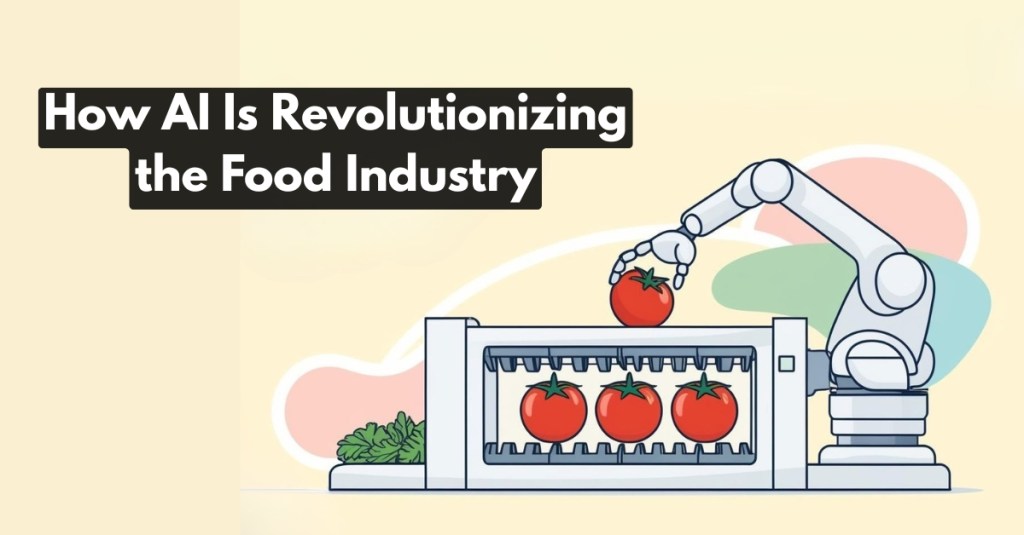
Artificial Intelligence is changing the world. From healthcare to finance, it is making industries smarter, faster, and more efficient. The food industry is no exception.
In recent years, we have seen major advancements in how food is grown, processed, delivered, and consumed. These changes are being driven by intelligent systems that learn, adapt, and improve over time.
From farm to table, AI is transforming how businesses operate. It helps reduce waste, improve quality, and meet customer demands more effectively. This shift is not just about technology. It is about building a smarter, more sustainable food ecosystem.
In this blog, we will explore ten powerful ways artificial intelligence is reshaping the food industry. Each section will show how AI is solving real problems and creating new opportunities. Whether you work in food, tech, or are just curious, there is something here for you.
AI in Crop and Farm Management
Farming is no longer limited to manual labor and guesswork. With the help of AI in crop and farm management, agriculture has become more data-driven and efficient.
Smart sensors and drones collect real-time information about soil, weather, and crop health. This data helps farmers make informed decisions. They can now identify the best time to plant, irrigate, or harvest.
AI also supports precision farming. It can detect diseases or pests before they spread. This allows for timely treatment and reduces the need for chemicals.
Another benefit is in resource management. AI systems monitor water levels and nutrient needs. They adjust irrigation and fertilization accordingly. This leads to higher crop yields and less environmental impact.
Farmers are using predictive analytics to plan ahead. They can estimate harvest outcomes and market prices with better accuracy. This helps in reducing waste and increasing profits.
AI is turning traditional farms into smart farms. It gives farmers tools to grow more food with fewer resources, while protecting the environment at the same time.
Supply Chain Optimization
The food supply chain is complex. It involves farmers, processors, distributors, retailers, and customers. Managing it manually often leads to delays, waste, and rising costs. AI in supply chain optimization is changing that.
AI can track products in real time from farm to store. This improves visibility at every stage. Businesses can respond faster to delays, reroute shipments, and keep shelves stocked.
One major benefit is demand forecasting. AI tools study past sales, seasonal trends, and consumer behavior. This helps companies produce and order the right amount of food.
AI also helps reduce food waste. It alerts companies when items are nearing expiration or not selling well. These insights support smarter inventory decisions.
AI systems can also predict equipment failures in storage or transport. This prevents spoilage and saves costs.
Food businesses now operate with more precision. With AI, they improve delivery times, lower waste, and meet customer needs more reliably.
Food Safety and Quality Control
Food safety is one of the biggest concerns in the industry. Even a small mistake can lead to serious health risks. That is why AI in food safety and quality control is becoming a vital tool.
AI uses computer vision to inspect food items quickly and accurately. Machines can detect defects, contamination, or spoilage that the human eye might miss. This improves product quality and keeps unsafe food out of the market.
AI also monitors hygiene in production areas. It checks if employees follow safety rules. It can even detect unusual activity through surveillance feeds.
Data from sensors is another key source. AI systems track temperature, humidity, and storage conditions. When something goes wrong, the system alerts staff before the issue becomes serious.
Compliance with food safety laws is also easier now. AI helps companies stay updated with regulations and maintain proper records. This reduces the risk of penalties or shutdowns.
By using AI, food businesses can catch problems early, improve quality, and protect consumers at every step.
Smart Food Processing and Manufacturing
Modern food production is moving toward greater speed and precision. AI in smart food processing and manufacturing is helping companies keep up with demand while maintaining high standards.
AI systems can automate repetitive tasks in food factories. Machines handle cutting, mixing, and packaging with greater speed and fewer errors. This reduces the need for manual labor and improves consistency.
Predictive maintenance is another major benefit. AI can monitor equipment performance and detect early signs of failure. This prevents breakdowns and reduces downtime.
AI also helps optimize the production process. It studies data from the factory floor to improve workflow and reduce energy use. This leads to lower costs and better product quality.
When recipes change, AI systems adapt quickly. They adjust settings to maintain the same texture, taste, and appearance.
With AI, food manufacturers can produce large volumes of food without compromising quality. It brings more control, less waste, and better results across the board.
Personalized Nutrition and Meal Planning
Eating healthy looks different for everyone. Age, lifestyle, and health conditions all play a role. That is why AI in personalized nutrition and meal planning is gaining popularity.
AI tools can analyze a person’s health data, such as activity levels, allergies, and medical history. Based on this information, the system offers meal suggestions tailored to the individual.
These tools can also connect with smart devices like fitness trackers. As a person’s habits change, the AI adjusts meal plans in real time. This helps people meet their goals more effectively.
Some apps even offer shopping lists and recipes. They make healthy eating more convenient and less time-consuming.
AI also plays a role in developing custom food products. Companies use data to create items that meet specific dietary needs. This ranges from low-sugar snacks to high-protein meal options.
By making nutrition more personal, AI is helping people eat better and live healthier lives.
Robotics in Food Preparation
Robots are now stepping into the kitchen. AI in robotics for food preparation is changing how meals are made in restaurants and commercial kitchens.
Robotic arms can chop, stir, and cook with high precision. These systems work around the clock and follow recipes exactly. This improves speed and reduces human error.
Many fast-food chains are using robots to handle routine tasks. They fry, flip, and serve food with consistent quality. This not only speeds up service but also lowers labor costs.
Robots also support better hygiene. They reduce the number of hands that touch the food. This is especially important in settings where safety and cleanliness are top priorities.
In some restaurants, robotic chefs are becoming a reality. They prepare entire meals from start to finish, often in open kitchens where customers can watch the process.
With AI-driven robotics, food preparation is becoming faster, cleaner, and more reliable. It offers a glimpse into the future of kitchen operations.
Voice and Vision Interfaces in Food Ordering
Ordering food is becoming faster and easier. AI in voice and vision interfaces is changing how customers interact with restaurants and devices.
Voice assistants can now take orders in drive-thrus, apps, and smart home devices. They understand natural speech and respond quickly. This speeds up service and improves accuracy.
Visual interfaces are also making an impact. Smart kiosks use facial recognition to suggest meals based on past orders. Some even show real-time menu updates based on availability.
These systems help reduce wait times. They also make the experience more personal. For example, someone with dietary restrictions can receive custom suggestions without asking for help.
Voice and vision tools also support accessibility. They assist customers with visual or mobility challenges by offering easy, hands-free options.
By using AI to improve ordering, food businesses are creating smoother, smarter, and more inclusive customer experiences.
AI in Food Product Development
Creating new food products is a long and often risky process. AI in food product development is helping companies innovate faster and smarter.
AI systems can analyze massive amounts of data, including customer reviews, market trends, and ingredient properties. This allows brands to discover what people want and how to deliver it.
Some tools even predict how new flavors or textures will perform. They simulate ingredient combinations before anything is made. This reduces trial and error in the kitchen.
Companies are also using AI to create healthier versions of popular foods. They adjust sugar, salt, or fat content without losing taste. The result is better nutrition with the same satisfaction.
AI helps track how products perform after launch. It gathers feedback and identifies what works or what needs to change. This shortens the time it takes to improve or relaunch a product.
With AI, food innovation becomes more efficient, more data-driven, and better aligned with what people actually want to eat.
Marketing and Customer Insights
Understanding customers is key to staying ahead in the food industry. AI in marketing and customer insights is giving brands a new way to connect with their audience.
AI tools analyze data from social media, reviews, and purchase history. This helps companies learn what customers like, dislike, or expect. As a result, marketing strategies become more targeted and effective.
AI can also create personalized ads. These are shown to the right people at the right time, based on browsing habits and behavior. This improves engagement and increases sales.
Some systems track how customers feel about a product using sentiment analysis. They pick up emotional tones in online feedback. This helps brands respond quickly to complaints or celebrate positive reactions.
Even pricing can be adjusted with the help of AI. Tools study competitor prices, demand trends, and customer patterns to recommend the best pricing strategy.
With AI, companies get deeper insights into their customers. This allows them to market smarter, serve better, and build stronger relationships.
Sustainability and Environmental Impact
Sustainability is becoming a top priority in the food industry. AI in sustainability and environmental impact is helping businesses reduce waste and use resources more wisely.
AI systems track the entire supply chain. They identify where waste occurs and suggest ways to cut it down. This includes managing energy, water, and raw materials more efficiently.
Smart forecasting tools help prevent overproduction. By predicting demand more accurately, companies avoid making more food than they can sell. This reduces spoilage and saves costs.
AI also supports sustainable sourcing. It verifies that ingredients come from ethical and eco-friendly sources. This helps businesses meet environmental goals and build trust with consumers.
Some tools calculate the carbon footprint of products. This data is used to improve packaging, transport, and production methods. Companies can make better choices that benefit the planet.
With AI, the food industry is moving toward a greener future. It allows businesses to grow while protecting the environment.
Conclusion
Artificial Intelligence is no longer a future concept. It is already changing how the food industry grows, produces, delivers, and serves food. From smart farms to robotic chefs, AI is creating a more efficient and sustainable system.
Each area of the food industry is benefiting in unique ways. Companies are reducing waste, improving safety, and offering better customer experiences. These changes are not just good for business. They are good for the planet and the people it serves.
As we move forward, the role of AI in restaurants and other food-related sectors will only grow. It will continue to shape how we eat, cook, and enjoy our meals. For businesses and consumers alike, this is an exciting shift worth watching.
 Restaurant AI Tech
Leave a comment