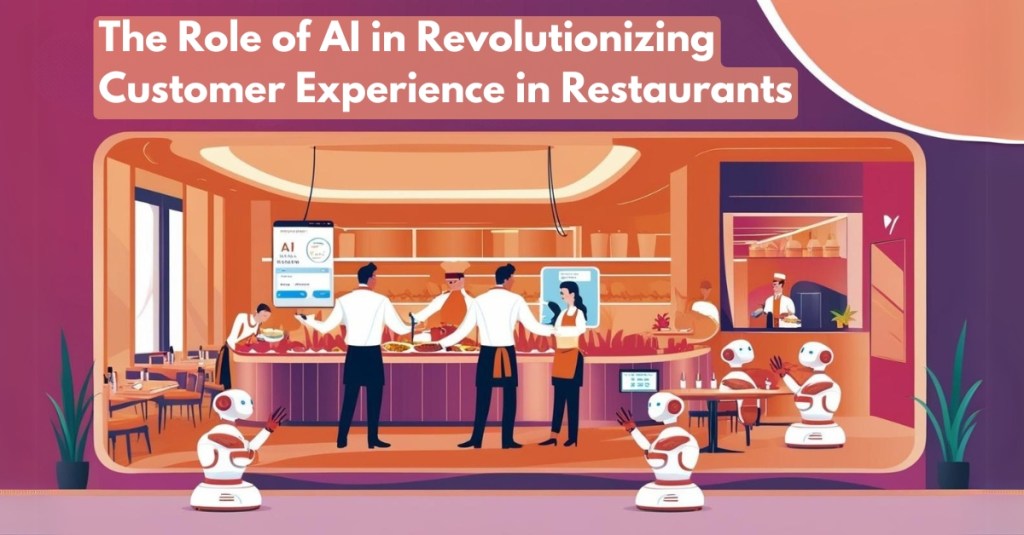
Technology is transforming the restaurant industry. Artificial Intelligence is playing a key role in improving customer experience. From personalized recommendations to automated customer service, AI is helping businesses operate more efficiently.
Customer expectations are higher than ever. People want fast service, easy ordering, and a smooth dining experience. Restaurants that fail to adapt risk losing customers to competitors. AI provides solutions that enhance convenience, improve efficiency, and increase customer satisfaction.
This blog will explore how AI is making a difference in restaurants. It will highlight the major ways businesses can use AI to improve their services.
How AI is Making a Difference in Restaurants
AI is transforming the way restaurants operate by improving efficiency and customer satisfaction. From automating customer interactions to optimizing kitchen management, AI is reshaping the dining experience. The integration of AI-driven tools, including the online food ordering system, is making service faster, more personalized, and seamless for both customers and restaurant owners.
AI-Powered Chatbots and Virtual Assistants
AI-powered chatbots and virtual assistants are transforming how restaurants interact with customers. These tools provide instant responses to customer inquiries, improving service efficiency.
Many restaurants use chatbots to handle online reservations. Customers can book a table without making a phone call. Chatbots also assist with menu inquiries and order placements. This reduces wait times and enhances the overall customer experience.
Virtual assistants on restaurant websites and social media platforms provide 24/7 support. They answer frequently asked questions, recommend dishes, and assist with complaints. This ensures that customers receive immediate attention, even outside business hours.
By automating customer interactions, AI reduces the workload on staff. Employees can focus on in-person service while AI handles repetitive tasks. This leads to faster response times and a better dining experience.
Personalized Customer Experience Through AI
AI is helping restaurants provide a more personalized dining experience. By analyzing customer data, AI can suggest menu items based on past orders and preferences. This makes recommendations more relevant and enhances customer satisfaction.
Many restaurants use AI-powered loyalty programs. These programs track customer behavior and offer personalized discounts or promotions. Regular customers receive exclusive deals that match their tastes. This increases customer engagement and encourages repeat visits.
AI also improves online ordering platforms. Customers receive meal suggestions based on their previous choices. This not only makes ordering easier but also increases sales for the restaurant.
By using AI to personalize the dining experience, restaurants can strengthen customer relationships. Customers appreciate tailored recommendations and special offers. This leads to higher retention rates and improved brand loyalty.
AI in Ordering and Payments
AI is making ordering and payments faster and more convenient. Many restaurants now use self-service kiosks that allow customers to place their own orders. These AI-powered systems reduce human errors and speed up the ordering process.
Voice-activated ordering is also becoming popular. Some restaurants have AI assistants that take voice orders, both in-store and through mobile apps. This makes ordering easier, especially for customers who prefer hands-free interaction.
AI is also improving payment systems. Contactless payments, facial recognition, and mobile payment apps are powered by AI technology. These systems ensure fast and secure transactions, reducing wait times at checkout.
By integrating AI into ordering and payments, restaurants can offer a smoother and more efficient experience. Customers enjoy quicker service, while businesses benefit from improved accuracy and reduced operational costs.
AI and Smart Kitchen Technology
AI is transforming restaurant kitchens by improving efficiency and accuracy. Smart kitchen technology helps chefs and staff prepare food faster while maintaining consistency. AI-powered cooking systems ensure that every dish meets quality standards.
Some restaurants use robotic chefs to automate food preparation. These robots follow precise recipes, reducing human errors. AI-powered ovens and fryers adjust cooking times based on real-time data. This ensures that food is cooked perfectly every time.
AI also helps with kitchen management. It monitors ingredient usage and alerts staff when supplies run low. This prevents shortages and keeps operations running smoothly. AI-driven scheduling tools optimize staff shifts, ensuring the kitchen operates at peak efficiency.
By using AI in the kitchen, restaurants can serve food faster and maintain high-quality standards. This leads to better customer satisfaction and reduced food waste.
AI-Driven Inventory Management and Waste Reduction
AI is helping restaurants manage inventory more effectively. Traditional inventory tracking can be time-consuming and prone to human error. AI-powered systems automatically monitor stock levels and provide real-time updates. This prevents overstocking or running out of essential ingredients.
Predictive analytics play a crucial role in inventory management. AI analyzes sales patterns to forecast demand accurately. Restaurants can stock ingredients based on expected orders, reducing unnecessary purchases. This lowers costs and minimizes food waste.
AI also identifies waste patterns in the kitchen. Smart sensors track food usage and highlight areas where waste can be reduced. Some systems even suggest portion adjustments to ensure ingredients are used efficiently.
By improving inventory control and reducing waste, AI helps restaurants save money and operate more sustainably. This benefits both businesses and the environment.
AI for Customer Feedback and Sentiment Analysis
AI is helping restaurants understand customer opinions more effectively. Traditional feedback collection methods are often slow and limited. AI-powered tools analyze customer reviews, social media comments, and online ratings in real time.
Sentiment analysis allows restaurants to track customer satisfaction levels. AI scans feedback and identifies common complaints or praises. This helps restaurant owners understand what customers like and what needs improvement.
Some AI systems send automated surveys to customers after their visit. These surveys collect opinions on food quality, service, and overall experience. AI then organizes this data, making it easier for restaurants to take action.
By using AI for customer feedback, restaurants can improve their services faster. Understanding customer needs leads to better experiences and stronger customer loyalty.
AI in Restaurant Marketing and Customer Engagement
AI is transforming how restaurants attract and retain customers. Traditional marketing methods often rely on broad strategies, but AI allows restaurants to create targeted campaigns.
AI analyzes customer data to personalize marketing efforts. Restaurants can send customized promotions based on dining history and preferences. Email marketing automation uses AI to recommend special offers that appeal to individual customers. This increases engagement and encourages repeat visits.
Social media marketing is also benefiting from AI. AI-powered tools track online trends and customer interactions. Restaurants can use this data to create content that resonates with their audience. AI chatbots on social media respond to inquiries instantly, improving customer interaction.
AI-driven advertising helps restaurants reach the right audience. AI platforms analyze customer behavior and place ads where they are most effective. This ensures that marketing budgets are used efficiently.
By using AI in marketing, restaurants can attract more customers and build stronger relationships. Personalization and automation make promotions more effective and enhance customer engagement.
The Future of AI in the Restaurant Industry
AI is continuously evolving, and its role in the restaurant industry will only grow. Many restaurants are exploring advanced AI technologies to improve operations and customer service.
Robotics is becoming more common in food preparation and service. Some restaurants are using robotic chefs to cook meals with precision. AI-powered servers are assisting staff by delivering food to tables efficiently. These innovations help reduce wait times and enhance consistency.
Augmented reality and virtual reality are also emerging trends. Some restaurants use AI-powered AR menus that allow customers to see a digital preview of their meals before ordering. Virtual reality dining experiences are being tested to create unique and immersive atmospheres.
AI-driven menu engineering is another area of development. AI analyzes customer preferences and sales data to suggest the most profitable menu changes. This helps restaurants optimize their offerings while catering to customer demand.
While AI provides many benefits, it is important to maintain a balance between automation and human interaction. Customers still value personal connections with restaurant staff. Successful restaurants will integrate AI in a way that enhances service while preserving a warm and welcoming atmosphere.
Conclusion
AI in restaurant is transforming the industry by improving customer experience, streamlining operations, and increasing efficiency. From AI-powered chatbots and personalized recommendations to smart kitchen technology and automated inventory management, these innovations are helping restaurants stay competitive.
Customers now expect faster service, personalized dining experiences, and seamless transactions. AI helps restaurants meet these expectations while reducing costs and improving accuracy. Businesses that embrace AI can enhance their service, attract more customers, and build stronger relationships with their audience.
While AI offers many advantages, it should complement human interaction rather than replace it. Restaurants that find the right balance between technology and personal service will create the best customer experiences. By integrating AI strategically, food business owners can set themselves up for long-term success in an evolving industry.
 Restaurant AI Tech
Leave a comment